
Mastering Executive Functioning for Adults with ADHD
About Course
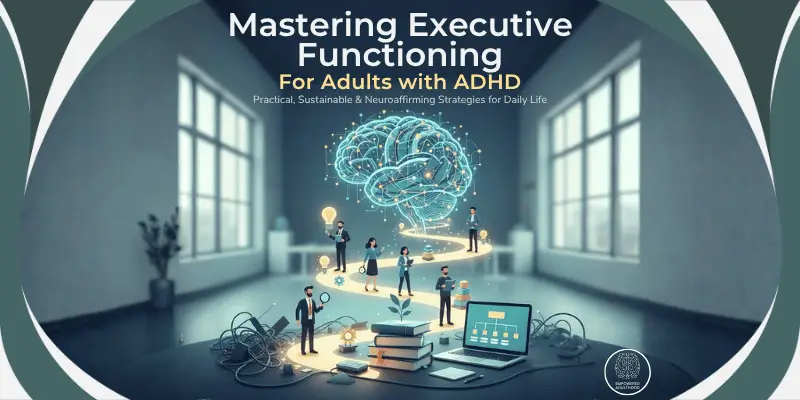
Mastering Executive Functioning for Adults with ADHD
Is an in-depth program designed to support adults who want practical, sustainable, and neuroaffirming strategies for daily life. The course blends evidence-based executive functioning models with real-world tools that improve focus, emotional stability, time management, planning, and follow-through. Learners are guided step by step to understand how ADHD shows up in adulthood, and how to build systems that reduce overwhelm, increase productivity, and support long-term growth.
The training includes structured lessons, reflective exercises, scenario-based practice, and professional insights that make the content accessible for individuals, coaches, and educators. The aim is to empower adults with ADHD to navigate work, home, relationships, and personal goals with clarity and confidence.
What Will You Learn?
- By the end of this course, participants will be able to:
- Explain the core executive functioning domains and how they relate to adult ADHD
- Identify their unique executive functioning profile and daily challenges
- Apply practical time management systems that reduce stress and increase follow-through
- Build routines that support task initiation and consistent momentum
- Use emotional regulation strategies that improve patience, calm, and clarity
- Implement organizational methods that simplify home, work, and personal planning
- Strengthen working memory skills using simple, repeatable techniques
- Replace burnout patterns with sustainable, supportive practices
Course Content
Mastering Executive Functioning for Adults with ADHD
-
Introduction
Module 1: Understanding Adult ADHD and Executive Functioning
-
Introduction
-
1.1 Introduction to Adult ADHD
-
1.2 The Adult ADHD Profile
-
1.3 Executive Functioning: The Core of ADHD
-
1.4 Why ADHD Is Not a Motivation Problem
-
1.5 The Strengths Based ADHD Perspective
-
1.6 Identifying Your Executive Functioning Profile
-
1.7 Reflection Exercise
-
1.8 Practical Scenarios
-
1.9 Key Takeaways
-
Module 1 Quiz
Module 2: Time Management Foundations
-
Introduction
-
2.1 Understanding ADHD and Time Perception
-
2.2 Clock Time vs Felt Time
-
2.3 Why Traditional Time Management Fails
-
2.4 Building External Time Awareness Systems
-
2.5 The Role of Routines and Anchors
-
2.6 Designing an ADHD Friendly Day Structure
-
2.7 Reflection Exercise
-
2.8 Practical Scenarios
-
2.9 Key Takeaways
-
Module 2 Quiz
Module 3: Task Initiation and Momentum
-
Introduction
-
3.1 Understanding Task Initiation Difficulties
-
3.2 The Science Behind Initiation Challenges
-
3.3 Overcoming the “Activation Barrier”
-
3.4. Strategies to Build Momentum
-
3.5. Reducing Internal Resistance
-
3.6. Environmental and Sensory Supports
-
3.7. Momentum Rituals and Maintenance
-
3.8. Application and Reflection
-
Module 3 Quiz
Module 4: Emotional Regulation and Stress Management
-
Introduction
-
4.1. Introduction to Emotional Regulation in ADHD
-
4.2. The Biology of Emotional Dysregulation
-
4.3. Recognising Emotional Patterns and Triggers
-
4.4. Strategies for Immediate Emotional Grounding
-
4.5. Long-Term Emotional Regulation Skills
-
4.6. Stress Management for the ADHD Neurotype
-
4.7. Cognitive and Behavioural Techniques
-
4.8. Emotional Safety and Self-Compassion
-
4.9. Integration and Reflection
-
Module 4 Quiz
Module 5: Working Memory and Cognitive Load
-
Introduction
-
5.1. Introduction to Working Memory in ADHD
-
5.2. The Science Behind Working Memory Challenges
-
5.3. Cognitive Load and Mental Energy
-
5.4. Signs of Working Memory Overload
-
5.5. Strengthening Working Memory Skills
-
5.6. Reducing Cognitive Load in Daily Life
-
5.7. External Memory Systems and Tools
-
5.8. Environmental and Sensory Supports
-
5.9. Habit Stacking and Automaticity
-
5.10. Integration and Reflection
-
Module 5 Quiz
Module 6: Organization and Planning Skills
-
Introduction
-
6.1. Introduction to Organization and Planning
-
6.2. Understanding ADHD and Organizational Challenges
-
6.3. Creating Systems That Reduce Cognitive Load
-
6.4. Physical Organization: Home, Workspace, and Digital Life
-
6.5. Planning Systems That Actually Work
-
6.6. Prioritizing Tasks and Projects
-
6.7. Routines, Checklists, and Templates
-
6.8. Sustainable Maintenance Strategies
-
6.9. Reflection Exercise
-
Module 6 Quiz
Module 7: Productivity and Follow Through
-
Introduction
-
7.1. Understanding ADHD Productivity Patterns
-
7.2. The Science of Completion
-
7.3. Systems for Consistent Follow Through
-
7.4. Time Anchoring for Productivity
-
7.5. Overcoming Perfectionism and Paralysis
-
7.6. The Follow Through Toolkit
-
7.7. Closing the Loop
-
Module 7 Quiz
Module 8: Communication, Boundaries, and Advocacy
-
Introduction
-
8.1. Understanding ADHD Communication Styles
-
8.2. Emotional Regulation in Communication
-
8.3. Assertive Communication Skills
-
8.4. Understanding and Setting Boundaries
-
8.5. Time Boundaries and Energy Protection
-
8.6. Advocacy Skills for ADHD Adults
-
8.7. Navigating Conflict and Repair
-
8.8. Communication and Relationship Health
-
8.9. Self Advocacy and Long Term Empowerment
-
Module 8 Quiz
Module 9: Long Term Coping Skills and Lifestyle Support
-
Introduction
-
9.1. Understanding Long Term ADHD Patterns
-
9.2. Sustainable Systems for Executive Functioning
-
9.3. Environmental Support and Organisation
-
9.4. Lifestyle Habits That Improve ADHD Functioning
-
9.5. Emotional and Mental Resilience Practices
-
9.6. Building Long Term External Support
-
Module 9 Quiz
Module 10: Integration and Personal Growth Plan
-
Introduction
-
10.1. Integrating Skills Across the Modules
-
10.2. Understanding Your Personal ADHD Profile
-
10.3. Reflecting on Your Progress
-
10.4. Identifying Core Challenges That Still Need Support
-
10.5. Your Personal ADHD Support Blueprint
-
10.6. Designing Your Personal Growth Plan
-
10.7. Maintaining Momentum After the Course
-
10.8. Closing Reflection and Course Integration
-
Module 10 Quiz
Final Course Quiz
-
Congratulations – You Did It!
-
Final Course Quiz
-
We’d love your feedback
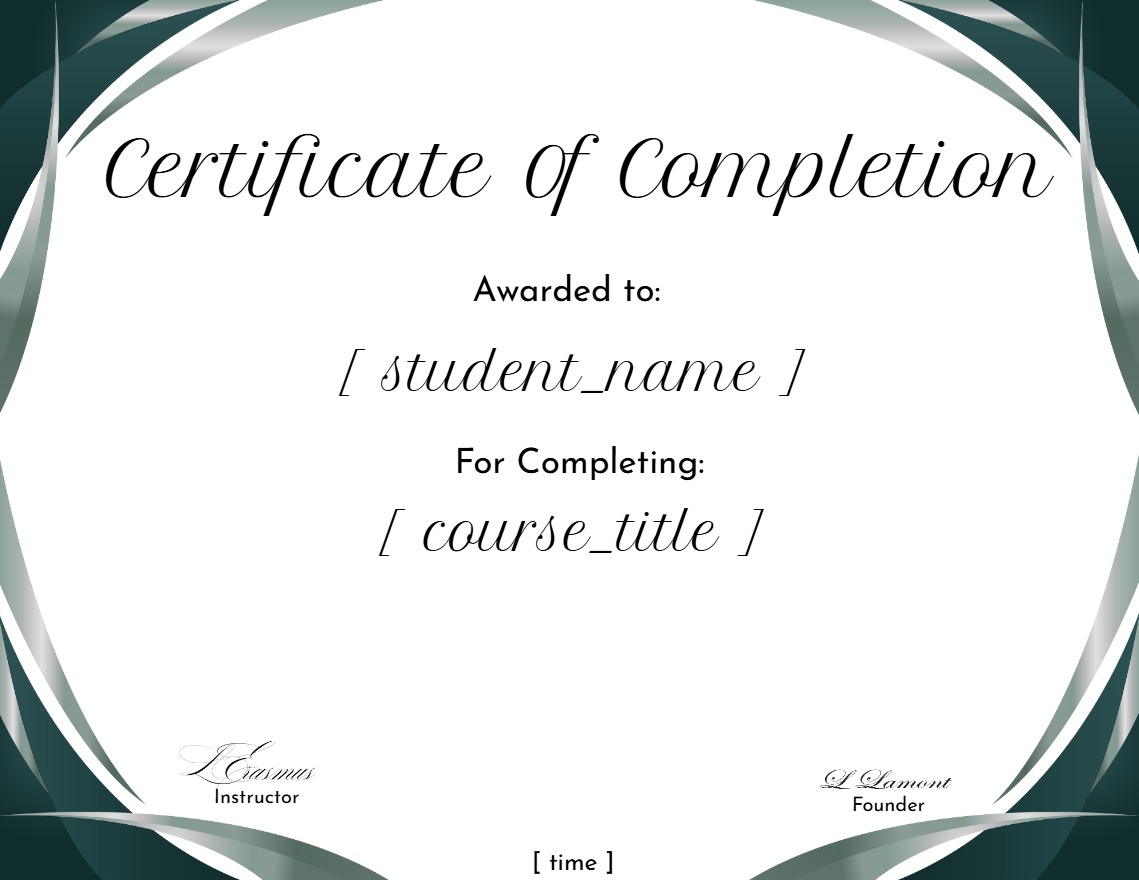
Earn a certificate
Add this certificate to your resume to demonstrate your skills & increase your chances of getting noticed.
Student Ratings & Reviews