
Understanding and Navigating High-Functioning Depression
Categories: Cognitive Neuroscience, Communication, Comorbidities, Coping Skills, Emotional intelligence, Health, Intermediate, Mental Health, Neurodiversity, Neurodiversity & Mental Health, Neuroscience, Neuroscience & Cognitive Studies, Neuroscience of Behavior, Parenting, Personal & Professional Development, Practitioners, Self-development
About Course
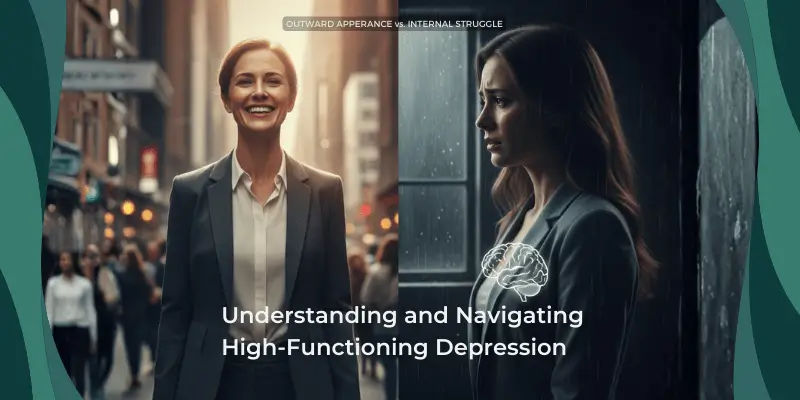
This course offers a grounded, compassionate exploration of high-functioning depression, often referred to as “smiling depression.” Participants examine the internal experience behind the outward appearance of competence, learn to identify symptoms that commonly go unnoticed, and develop practical tools for emotional regulation, communication, boundary-setting, and long-term well-being. The course blends psychoeducation with actionable strategies suitable for adults, parents, caregivers, and professionals seeking clearer insight.
What Will You Learn?
- By the end of the course, learners will be able to:
- Identify core symptoms of high-functioning depression, including subtle and hidden presentations
- Understand how the condition differs from classic major depressive episodes
- Recognise behavioural, cognitive, emotional, and physical patterns
- Build communication approaches that reduce shame and create safety
- Apply practical strategies for regulation, energy management, and self-care
- Create long-term supportive habits without overwhelm
- Know when to seek professional help and how to advocate for themselves or others
Course Content
Understanding and Navigating High-Functioning Depression
-
Introduction
Module 1: What High-Functioning Depression Really Is
-
Introduction
-
1. Clinical Definition vs Popular Understanding
-
2. The Difference Between Dysthymia, PDD, and High-Functioning Depression
-
3. Why the Condition Is Often Missed or Misdiagnosed
-
4. The Silent Burden of Appearing Fine
-
Summary
-
Module 1 Quiz
Module 2: The Mask – Why People Hide Their Symptoms
-
Introduction
-
1. Perfectionism, People-Pleasing, and Responsibility Roles
-
2. Fear of Burdening Others
-
3. The Habit of Emotional Suppression
-
4. Learned Resilience vs Emotional Denial
-
5. Why High Achievers Are at Higher Risk
-
Module 2 Quiz
Module 3: Internal Symptoms vs External Presentation
-
Introduction
-
1. The Dual Reality: What You Feel vs What Others See
-
2. The High-Functioning Illusion
-
3. Internal Symptoms That Often Go Unseen
-
4. External Behaviours That Mislead Others
-
5. Why This Mismatch Happens
-
6. The Cost of This Split Self
-
7. Why Others Struggle to Notice Hidden Suffering
-
8. Breaking the Cycle: Bridging Internal and External Worlds
-
9. Reconnecting with the Internal Self
-
Module 3 Quiz
Module 4: Impact on Work, Parenting, and Daily Functioning
-
Introduction
-
1. Burnout and Emotional Exhaustion
-
2. Over-Functioning as a Coping Strategy
-
3. The Cycle of Self-Pressure and Guilt
-
4. Parenting While Numb or Overwhelmed
-
5. Work Stress and Fear of Falling Behind
-
6. The Hidden Cost of Being “The Reliable One”
-
Module 4 Quiz
Module 5: Emotional Regulation and Cognitive Patterns
-
Introduction
-
1. Rumination and Overthinking
-
2. Emotional Blunting vs Emotional Overload
-
3. Survival Mode Thinking
-
4. The Role of Cortisol and Nervous System Activation
-
5. Shame Spirals and Self-Criticism
-
6. Why Motivation Becomes Inconsistent
-
Module 5 Quiz
Module 6: Communication, Shame, and Asking for Support
-
Introduction
-
1. Why Asking for Help Feels Unsafe
-
2. How Shame Interrupts Connection
-
3. Scripts for Communicating Needs
-
4. Setting Emotional Boundaries Without Guilt
-
5. How to Respond When People Don’t Understand
-
Module 6 Quiz
Module 7: Practical Tools for Daily Support
-
Introduction
-
1. Daily Check-In Routines
-
2. Low-Effort Self-Care (The “10% Better” Approach)
-
3. Energy Budgeting
-
4. Micro-Habits for Mood Support
-
5. Nervous System Regulation Practices
-
6. Sleep, Nutrition, and Movement Basics
-
7. Journaling Prompts for Internal Clarity
-
8. Reset Rituals for Emotional Overload
-
Module 7 Quiz
Module 8: Building a Long-Term Healing Plan
-
Introduction
-
1. Long-Term Self-Support Strategies
-
2. Avoiding All-or-Nothing Thinking
-
3. Building Routines Without Overwhelm
-
4. Identifying Personal Triggers
-
5. Stabilising Lifestyle Habits
-
6. Recognising Relapse Patterns Early
-
Module 8 Quiz
Module 9: Supporting a Loved One
-
Introduction
-
1: What Support Actually Helps
-
2: What to Avoid
-
3: Navigating Emotional Withdrawal
-
4: How to Hold Space Instead of “Fixing”
-
5: Supporting Without Rescuing
-
6: Encouraging Professional Care
-
Module 9 Quiz
Module 10: When and How to Seek Professional Help
-
Introduction
-
1: Identifying When Symptoms Require Intervention
-
2: Therapy Options
-
3: Medication — When It’s Useful and Common Myths
-
4: Advocating for Yourself in Healthcare Settings
-
5: Emergency Signs That Require Immediate Attention
-
Module 10 Quiz
Course Conclusion
-
Moving Forward With Clarity, Strength, and Self-Compassion
-
What You’ve Gained
-
A New Way Forward
-
Your Progress Matters
-
A Final Note
-
We’d love your feedback
Earn a certificate
Add this certificate to your resume to demonstrate your skills & increase your chances of getting noticed.
Student Ratings & Reviews

No Review Yet