
The Fight-or-Flight Response
Categories: Beginner, Cognitive Neuroscience, Communication, Coping Skills, Emotional intelligence, Mental Health, Neurobiological, Neurodiversity & Mental Health, Neuroscience, Neuroscience & Cognitive Studies, Neuroscience of Behavior, Parenting, Personal & Professional Development, Self-development
About Course
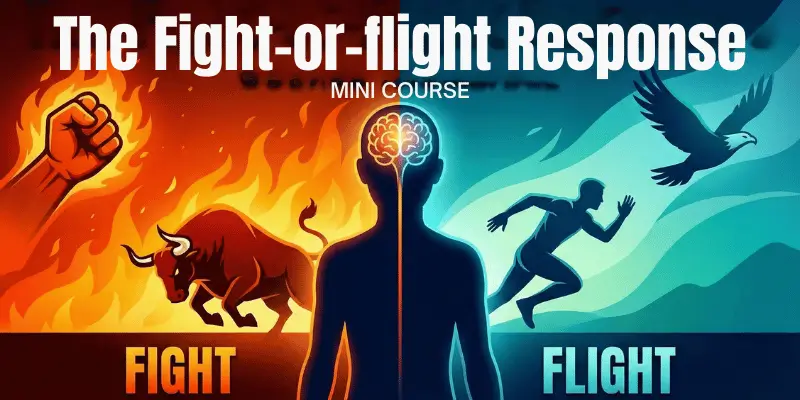
This short course offers a clear and practical understanding of the fight-or-flight response and how it shapes the body, mind, and behaviour under stress. Learners will explore what happens in the nervous system during moments of fear, overwhelm, or pressure, and they will discover simple, effective tools that help restore calm. The goal is to empower individuals with knowledge and skills that support emotional regulation, healthier reactions, and a stronger sense of internal safety.
What Will You Learn?
- Understand the fight-or-flight system and how the brain and body respond to stress.
- Identify the four survival responses—fight, flight, freeze, and fawn—and recognise their own patterns.
- Spot modern triggers, emotional cues, and everyday situations that activate survival mode.
- Use simple regulation tools such as grounding, breathwork, and sensory calming techniques.
- Build emotional resilience through supportive routines, nervous-system awareness, and healthier self-talk.
- Apply these skills in real situations, staying calmer, clearer, and more in control during stress or conflict.
Course Content
The Fight-or-Flight Response
-
Introduction
Module 1: What the Fight-or-Flight Response Is
-
Introduction
-
1. What the Fight-or-Flight Response Is
-
2. How the Fight-or-Flight Response Shows Up in Daily Life
-
Summary
-
Module 1 Quiz
Module 2: What Happens Inside the Body
-
Introduction
-
1. The Brain Sends the First Signal
-
2. The Autonomic Nervous System Takes Over
-
3. The Hormone Surge: Adrenaline and Cortisol
-
4. Physical Changes in the Body
-
5. Why the Body Reacts So Intensely
-
6. How These Changes Affect Thoughts and Emotions
-
7. Why It’s Hard to Switch Off Afterward
-
Summary
-
Module 2 quiz
Module 3: The Four Survival Responses
-
Introduction
-
1. Understanding the Four Responses
-
2. The Fight Response
-
3. The Flight Response
-
4. The Freeze Response
-
5. The Fawn Response
-
6. How the Brain Chooses a Survival Response
-
7. Why These Responses Can Become Automatic Patterns
-
8. Early Warning Signs of Activation
-
Summary
-
Module 3 Quiz
Module 4: Everyday Triggers and Modern Stress
-
Introduction
-
1. What Is a Trigger?
-
2. Why Modern Stress Activates Ancient Survival Wiring
-
3. Common Everyday Triggers
-
4. Emotional and Relational Triggers
-
5. Sensory and Environmental Triggers
-
6. Internal Triggers: The Body as a Source of Stress
-
7. Micro-Triggers: The Hidden Stressors
-
8. How Unprocessed Experiences Shape Sensitivity
-
9. Early Warning Signs of Overload
-
Summary
-
Module 4 Quiz
Module 5: Tools to Calm the Nervous System
-
Introduction
-
1. Why Regulation Tools Work
-
2. Breathwork: Simple, Effective Nervous System Reset
-
3. Sensory Grounding Techniques
-
4. Movement-Based Regulation
-
5. Self-Soothing Through Touch
-
6. Co-Regulation: Calming Through Connection
-
7. Environmental Regulation
-
8. Building a Personal Regulation Toolkit
-
9. Consistency Rewires the Nervous System
-
Summary
-
Module 5 Quiz
Module 6: Integrating the Skills
-
Introduction
-
1. What Integration Means
-
2. Practising Before Stress Peaks
-
3. Habit-Building for Daily Regulation
-
4. Using Tools in Real-Life Situations
-
5. Tracking Triggers and Patterns
-
6. Building Internal Safety
-
7. Strengthening Self-Awareness
-
8. Choosing the Right Tool at the Right Time
-
9. Creating Long-Term Nervous System Routines
-
10. Maintaining Progress Through Setbacks
-
Summary
-
Module 6 Quiz
Conclusion
-
Conclusion
-
We’d love your feedback
Earn a certificate
Add this certificate to your resume to demonstrate your skills & increase your chances of getting noticed.
Student Ratings & Reviews

No Review Yet