
The Psychology Behind Failed Resolutions
About Course
The Psychology Behind Failed Resolutions
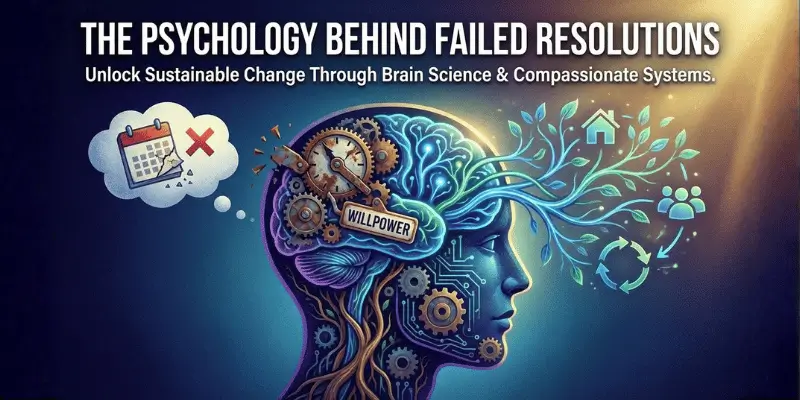
This course explores why New Year’s resolutions and traditional goal-setting methods fail, and what actually creates sustainable change. Instead of relying on willpower, guilt, or unrealistic timelines, learners are guided to understand how the brain, nervous system, and environment influence behavior. The course replaces shame-based self-improvement with practical, compassionate systems that work in real life.
What Will You Learn?
- A clear understanding of why goals and resolutions fail
- Tools to work with their brain rather than against it
- The ability to design habits that survive low-energy days
- Relief from shame and self-blame around “failed” goals
- A personalized, realistic framework for change
Course Content
The Psychology Behind Failed Resolutions
-
Introduction
Module 1: The Myth of Motivation
-
Introduction
-
1. What Motivation Really Is
-
2. The Dopamine Trap of Fresh Starts
-
3. Discipline Under Stress, Why It Breaks
-
4. Motivation Culture and the Shame Cycle
-
5. Reframing Failure Through a Nervous System Lens
-
Reflection Prompt
-
Summary
-
Module 1 Quiz
Module 2: Why Your Brain Resists Resolutions
-
Introduction
-
1. The Brain’s Need for Safety and Predictability
-
2. Why Change Feels Threatening, Even When Desired
-
3. Identity-Based Resistance vs Behaviour-Based Change
-
4. Pressure, Perfection, and the Nervous System
-
5. Reframing Resistance as Protection
-
Practical Exercise
-
Summary
-
Module 2 Quiz
Module 3: The Problem With “All or Nothing” Goals
-
Introuction
-
1. January 1st and the Illusion of the Clean Slate
-
2. The One-Day Failure Spiral
-
3. Binary Thinking and Self-Sabotage
-
4. Unrealistic Timelines and Burnout
-
5. Redefining Consistency Through Flexibility
-
Reframe Exercise
-
Summary
-
Module 3 Quiz
Module 4: Willpower Is Not the Problem
-
Introduction
-
1. The Limits of Willpower
-
2. Why Environment Beats Intention
-
3. Habit Cues, Friction, and Ease
-
4. Designing for Low-Energy Days
-
5. Building Supportive Systems Instead of Rules
-
Practical Task
-
Summary
-
Module 4 Quiz
Module 5: Emotional Needs Behind “Bad” Habits
-
Introduction
-
1. Habits as Coping Mechanisms
-
2. Emotional Regulation vs Self-Control
-
3. The Replacement Gap
-
4. Identifying Unmet Emotional Needs
-
5. Creating Supportive Alternatives
-
Reflection Prompt
-
Summary
-
Module 5 Quiz
Module 6: From Goals to Rhythms
-
Introduction
-
1. The Problem With Outcome-Based Change
-
2. Why Rhythms Work Better Than Goals
-
3. Daily and Weekly Rhythms
-
4. Identity-Safe Habit Formation
-
5. Tracking Progress Without Obsession
-
Practical Exercise
-
Summary
-
Module 6 Quiz
Module 7: Values-Based Change
-
Introduction
-
1. External “Shoulds” vs Internal Values
-
2. Why Misaligned Goals Fail Under Stress
-
3. Choosing Goals for Your Current Season
-
4. Self-Trust as the Foundation of Growth
-
5. Translating Values Into Habits
-
Values Mapping Exercise
-
Summary
-
Module 7 Quiz
Module 8: Designing Your Personal Change System
-
Introduction
-
1. What a Personal Change System Really Is
-
2. Building Your Own Habit Framework
-
3. Planning for Setbacks Without Self-Punishment
-
4. Adjusting Systems as Life Changes
-
5. Defining Progress Without Pressure
-
Integration Exercise
-
Summary
-
Module 8 Quiz
Course Conclusion
-
Change That Works With You
-
We’d love your feedback
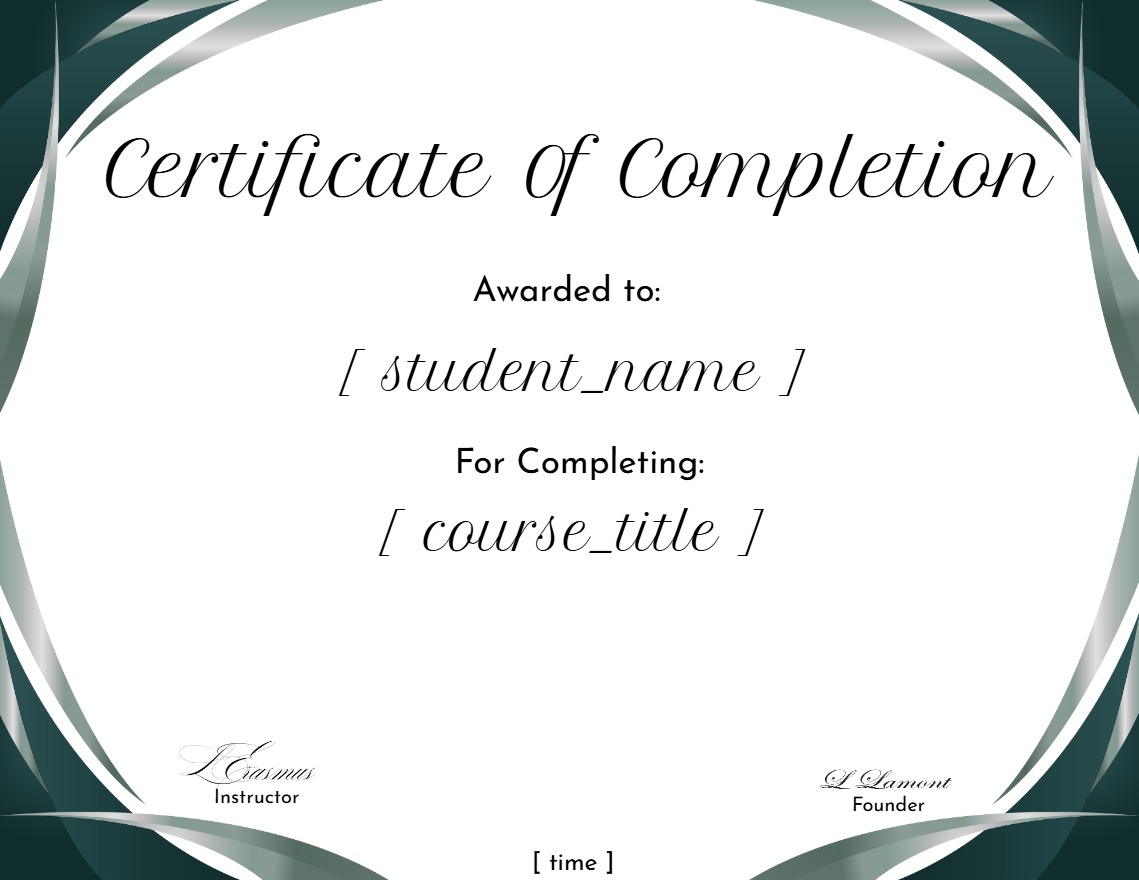
Earn a certificate
Add this certificate to your resume to demonstrate your skills & increase your chances of getting noticed.
Student Ratings & Reviews

No Review Yet