
Understanding Heart vs. Anxiety Attacks in Men: A Guide

About Course

Understanding Heart vs. Anxiety Attacks in Men: A Guide
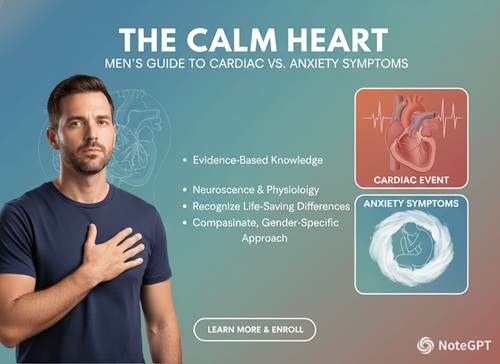
This evidence-based course provides men and their loved ones with essential knowledge to distinguish between cardiac events and anxiety-related symptoms. Through neuroscience, physiology, and practical application, you’ll learn to recognize critical differences that could save a life while understanding the legitimate nature of panic attacks. This course combines medical accuracy with accessible language, offering a compassionate, gender-specific approach to cardiovascular and mental health literacy.

What Will You Learn?

  • • Identify key physiological differences between heart attacks and panic attacks
  • • Recognize gender-specific heart attack symptoms in men
  • • Understand the neuroscience behind panic and anxiety responses
  • • Apply decision-making frameworks during emergency situations
  • • Develop preventive strategies for both cardiovascular and mental health
  • • Navigate healthcare systems confidently when symptoms arise
  • • Support others experiencing cardiac or anxiety-related events
  • • Implement lifestyle changes that benefit both heart and mental health

Course Content

MODULE 1: FOUNDATIONAL UNDERSTANDING OF CARDIAC AND ANXIETY SYSTEMS
Module Learning Objectives • Explain the basic anatomy and function of the cardiovascular system • Describe the nervous system's role in anxiety and panic responses • Identify common misconceptions about heart attacks and panic attacks • Recognize why gender matters in symptom presentation

  • Lesson 1.1: How Your Heart Actually Works
  • Lesson 1.2: The Nervous System and the Anxiety Response
  • Lesson 1.3: Common Misconceptions and Why They Matter
  • Activities 1 Personal Health Inventory:
  • Activities 2 Heart Rate Awareness:
  • Activities 3 Symptom Journal:
  • Questions 1

MODULE 2: RECOGNIZING HEART ATTACK SYMPTOMS IN MEN
Module Learning Objectives • Identify classic and atypical heart attack symptoms in men • Understand gender-specific presentation differences • Recognize warning signs that may precede a major cardiac event • Apply decision-making frameworks for seeking emergency care

MODULE 3: UNDERSTANDING PANIC AND ANXIETY ATTACKS
Module Learning Objectives • Explain the physiological mechanisms underlying panic attacks • Identify triggers and risk factors for anxiety and panic disorders • Recognize the progression from anxiety to panic • Understand why panic attacks, while terrifying, are not medically dangerous

MODULE 4: DISTINGUISHING BETWEEN CARDIAC AND ANXIETY EVENTS
Module Learning Objectives • Apply specific criteria to differentiate heart attack and panic attack symptoms • Understand the limitations of self-diagnosis • Recognize situations requiring immediate medical evaluation • Develop practical decision-making tools for uncertain situations

MODULE 5: MANAGEMENT, PREVENTION, AND MOVING FORWARD
Module Learning Objectives • Identify evidence-based treatments for both cardiac disease and panic disorder • Develop preventive strategies for heart health and anxiety management • Create an integrated approach to physical and mental wellness • Access appropriate resources and support systems

Earn a certificate

Add this certificate to your resume to demonstrate your skills & increase your chances of getting noticed.
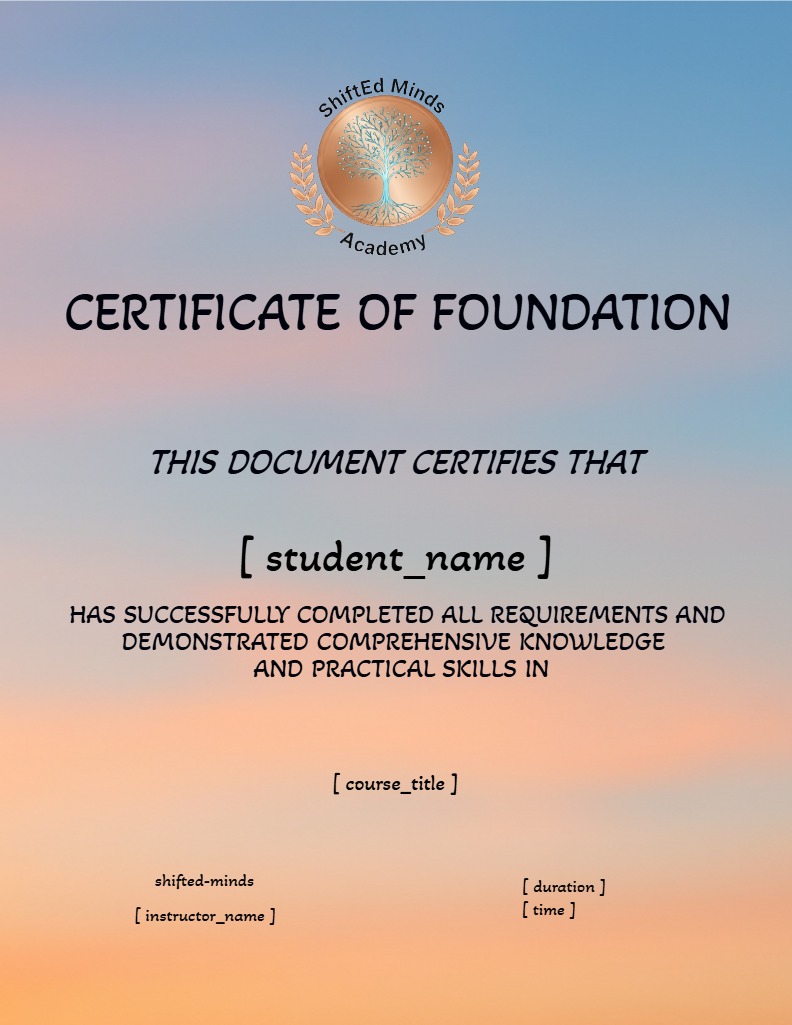
selected template

Student Ratings & Reviews

No Review Yet

No Review Yet
Scroll to Top