

Why Do I Feel Overwhelmed by Small Things?
When replying to an email feels impossible, or choosing what to eat becomes paralyzing, you might think something’s wrong with you. You may be asking: Why do I Feel Overwhelmed by Small Things? In reality, overwhelm is a signal that your cognitive bandwidth is already maxed out.
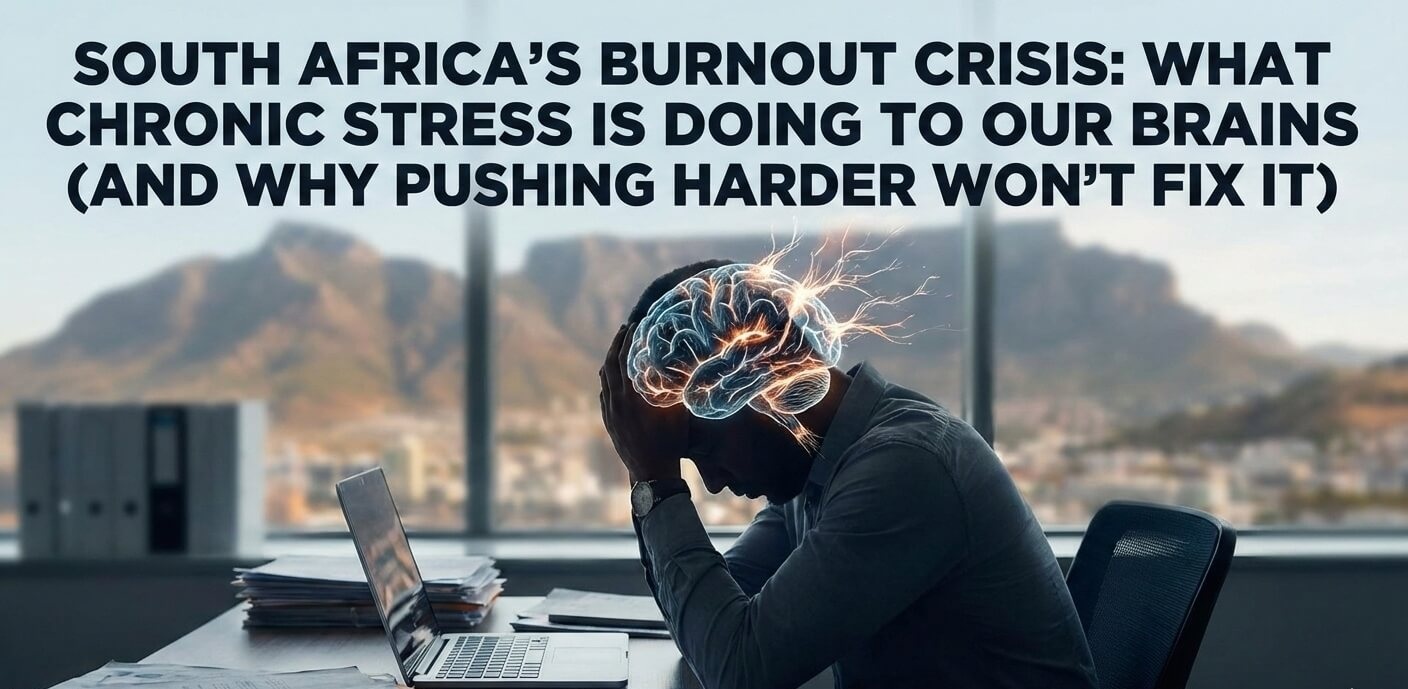
Chronic stress slowly consumes mental resources, starting subtly but becoming overwhelming over time. Instead of a brief surge of pressure that fades after a challenge, the mind stays on constant alert, always preparing for the next problem.
This ongoing tension drains attention, willpower, and emotional resilience. Tasks that once felt manageable become exhausting, not because they are harder, but because the mind is already overextended.
As this depletion grows, decision-making slows, concentration weakens, and it takes more effort to stay organized or remember simple things. Emotional regulation declines; patience shortens, and small frustrations trigger outsized reactions.
By the time minor demands appear, an unexpected email, a small disagreement, a routine chore, or a simple request, there is almost nothing left to give.
What would normally be a small inconvenience feels like a major burden. This is why people under chronic stress often feel burned out, overwhelmed, or on edge, even when nothing dramatic is happening.
Their internal resources have been steadily used up, leaving little buffer for everyday life.
What Cognitive Overload Looks Like
This leads to:
- Emotional overreactions to minor inconveniences
- Shutdown or avoidance of simple tasks
- Difficulty prioritising even basic decisions
- A sense of drowning in things that used to be easy
Overwhelm is not a lack of resilience. It is the nervous system signalling overload.
When the brain is in threat mode, it loses flexibility. Everything feels urgent, heavy, and personal. However, small things tip the system because the system is already at capacity, not because you can’t handle normal life.
The solution is not better organisation or time management. It is reducing background stress and restoring cognitive safety.