
How the Brain Actually Learns: From Neural Pathways to Lasting Change
Why Understanding How the Brain Learns Changes Everything
The education system tells most people what to learn. But nobody shows you how the brain actually learns.”
It’s a mismatch between how learning is delivered and how the brain is wired to change. Previous learning techniques created a gap. This explains why many capable adults struggle with focus, motivation, retention, and confidence. The problem isn’t a lack of intelligence or discipline.
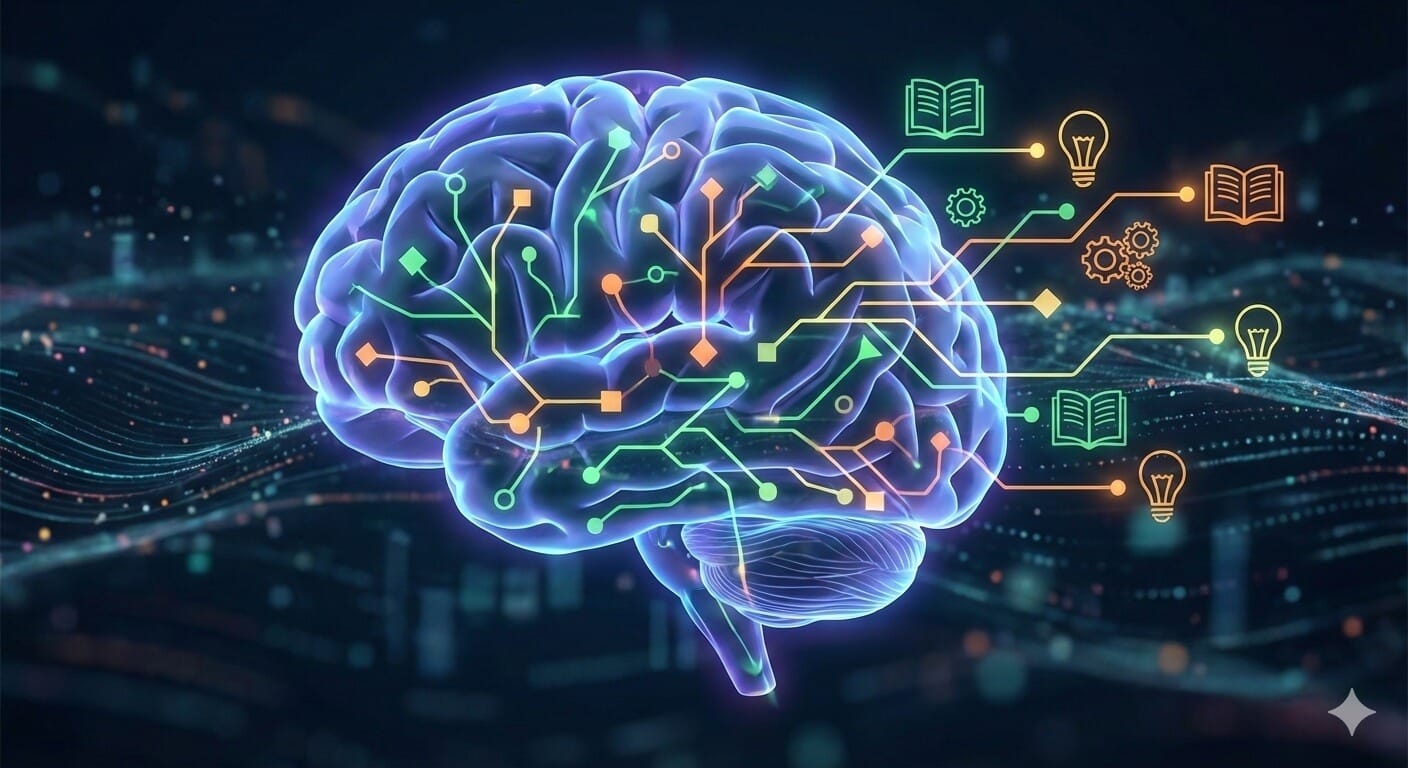
Neuroscience gives us clarity here. Learning is not about absorbing information. It’s about physically changing neural pathways.
Learning Is a Biological Process, Not a Mental One
Every time you learn something new, your brain does three things:
- Activates neurons
- Strengthens connections between them
- Stabilises those connections through repetition and emotion
This is known as neuroplasticity – the brain’s lifelong ability to reorganise itself.
In simple terms:
Learning = building, reinforcing, and stabilising neural networks.
If a learning experience doesn’t engage the brain biologically, these experiences don’t last.
Neural Pathways: The Real Foundation of Learning
Neural pathways are like roads in the brain.
- New information creates narrow dirt paths
- Practice turns them into paved roads
- Relevance and emotion turn them into highways
Here’s the critical insight most education systems miss:
👉 The brain prioritises efficiency, not effort.
If a pathway is not used, it becomes weaker.
When it lacks emotional relevance, it fades more quickly.
If it’s overloaded, the brain disengages.
This explains why:
- Cramming fails
- Motivation drops
- “I know this, but I can’t apply it” happens
Attention Comes Before Memory
The brain cannot learn what it does not attend to.
Neuroscience shows that attention is regulated by:
- Novelty
- Meaning
- Emotional safety
- Cognitive load
When learners feel:
- Overwhelmed
- Judged
- Rushed
- Disconnected from relevance
…the brain shifts into protective mode, reducing learning capacity.
This is especially important for:
- Neurodivergent learners
- Adults returning to learning
- Professionals under chronic stress
Emotion Is Not Optional in Learning
Emotion isn’t a “soft” factor. It’s a neural amplifier.
The limbic system (emotional brain) determines:
- What gets stored
- What gets ignored
- What gets recalled under pressure
Positive emotional engagement:
- Increases dopamine (motivation + memory)
- Strengthens recall
- Improves transfer to real-world use
This is why shame-based learning, pressure, and comparison actively block progress.
Why Traditional Learning Fails Modern Brains
Traditional education assumes:
- One size fits all
- Repetition alone creates mastery
- Information = learning
Neuroscience tells us the opposite.
Modern brains need:
- Personal relevance
- Psychological safety
- Spaced repetition
- Active meaning-making
- Reflection and integration
Without these, learners blame themselves when the system is the problem.
What Neuroscience-Based Learning Does Differently
Neuroscience-aligned learning:
- Works with the brain, not against it
- Builds confidence alongside competence
- Supports sustainable focus and motivation
- Respects individual cognitive differences
This is the foundation of everything at ShiftEd Minds: learning that creates real, lasting change, not short-term performance.
The Takeaway
If learning feels hard, inconsistent, or exhausting. It’s not because you’re failing.
It’s because your brain was never designed for:
- Constant overload
- Passive consumption
- Fear-based motivation
Once you understand how the brain learns, everything shifts.
And from there, learning becomes something you can trust again.
Want the full picture?
Read our in-depth guide on Neuroscience-Based Learning: What It Is and Why It Matters to understand how brain-aligned learning transforms education, work, and personal growth.