

Why Am I Always So Tired, Even When I Sleep?
If you are sleeping but never feel rested, you may be asking, ‘Why am I Always So tired, Even When I sleep?‘ The issue is not just sleep quality alone; it is nervous system exhaustion.
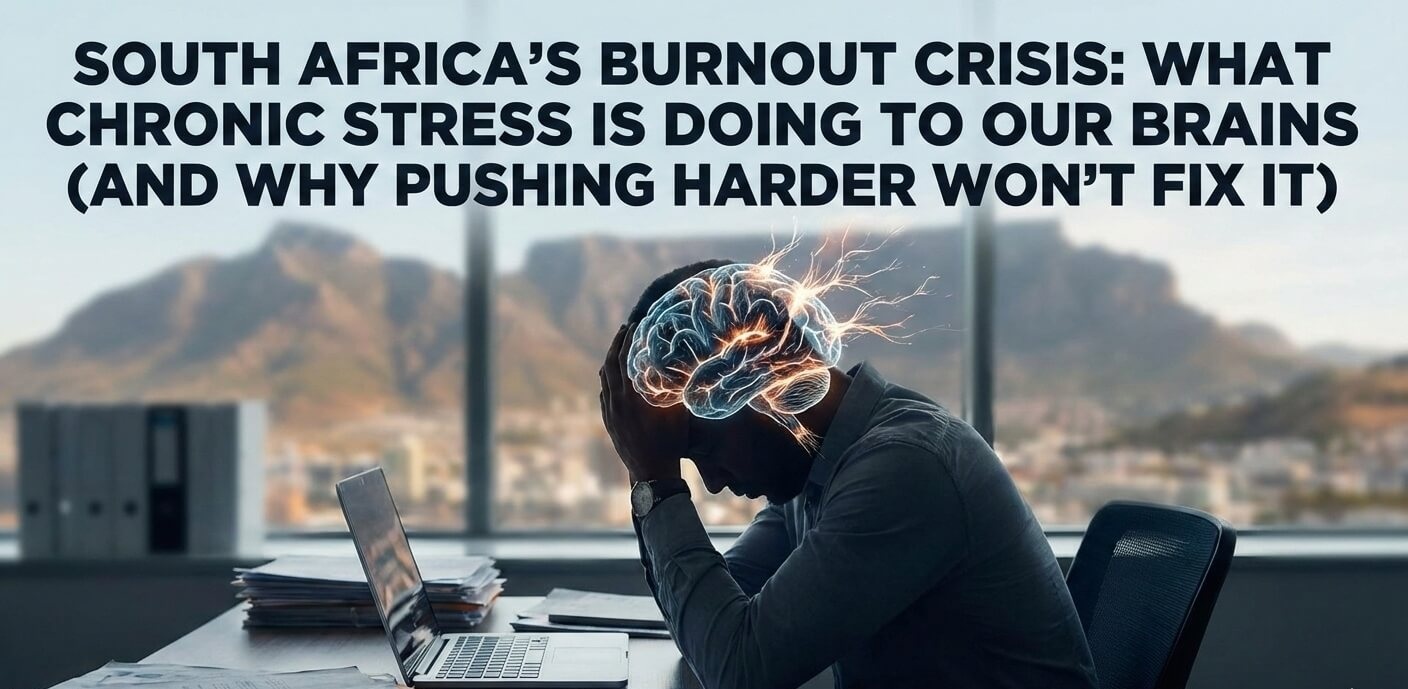
Chronic stress keeps the brain in a state of alertness even during moments that are supposed to be restful and restorative. The body may lie down at night, eyes closed and lights off, but the nervous system does not simply power off the way a switch is flipped. Instead, it stays partially activated, as if it is still preparing to respond to danger. Stress hormones such as cortisol remain elevated long after the stressful event has passed, sending a message to the body that it is not yet safe to fully relax.
In this state, muscle tension often persists, especially in areas like the neck, shoulders, jaw, and lower back. Even when someone thinks they are resting, their body may be subtly bracing, clenching the jaw, tightening the fists, or holding the breath without realizing it. This low-level but constant tension can lead to headaches, body aches, and a sense of fatigue that sleep never seems to fix.
At the same time, the brain continues scanning for threats. Replaying past events or worrying about what might go wrong in the future. The mind may jump from one concern to another, making it harder to fall asleep or to reach the deep, restorative stages of rest.
Over time, this ongoing state of vigilance can disrupt sleep patterns, weaken the immune system, and affect mood. Contributing to irritability, anxiety, or feelings of burnout. Instead of moving in and out of stress in short, manageable bursts. The brain and body become stuck in a long-term survival mode, which slowly wears down both mental and physical health.
Why Rest Stops Working:
This is why:
- You wake up tired, as if you never slept at all
- Sleep feels shallow or unrefreshing, no matter how many hours you get
- Mornings feel heavier than nights, even after a full night in bed
In reality, fatigue under chronic stress is not solved by simply adding more hours in bed. If your days are spent in constant urgency, worry, overthinking, or people-pleasing, your nervous system never truly gets a break. Sleep becomes like trying to refill a bucket that has holes in it; no matter how much you pour in, it keeps leaking out.
What actually begins to restore energy is reducing the load your nervous system has to carry while you are awake. That means creating small pockets of safety and ease during the day: slowing your breathing, setting boundaries, pausing before you say yes, taking brief moments where you are not “on call” for everyone else. When the nervous system learns, even in short bursts, that it is allowed to downshift out of survival mode, rest starts to become restorative again instead of just another thing you are “trying harder” to do.
Mental fatigue, emotional labour, financial worry, and unresolved stressors drain energy long before the day begins. Rest cannot restore what is continuously being depleted.
Persistent exhaustion is not laziness. It is the cost of carrying too much for too long. And the first step isn’t doing more, it’s recognizing what’s actually happening.
If you see yourself in these words, know that nothing about this makes you broken or weak. Your tiredness makes sense. Your body has been trying to protect you in the only way it knows how.
So, instead of asking, why am I so tired even when I sleep? Remember, you do not have to fix everything at once. You do not have to earn your right to rest by pushing yourself to the edge. It is enough to start with one small act of kindness toward your own nervous system and let that be a beginning.
Over time, those small moments add up. The nervous system can learn safety. The body can remember how to soften. Energy can return in quiet, gradual ways.
You are not failing at rest. You are living with a system that has been on guard for too long. And you are allowed, starting now, to look for ways to make your life feel even a little lighter, a little safer, and a little more your own.