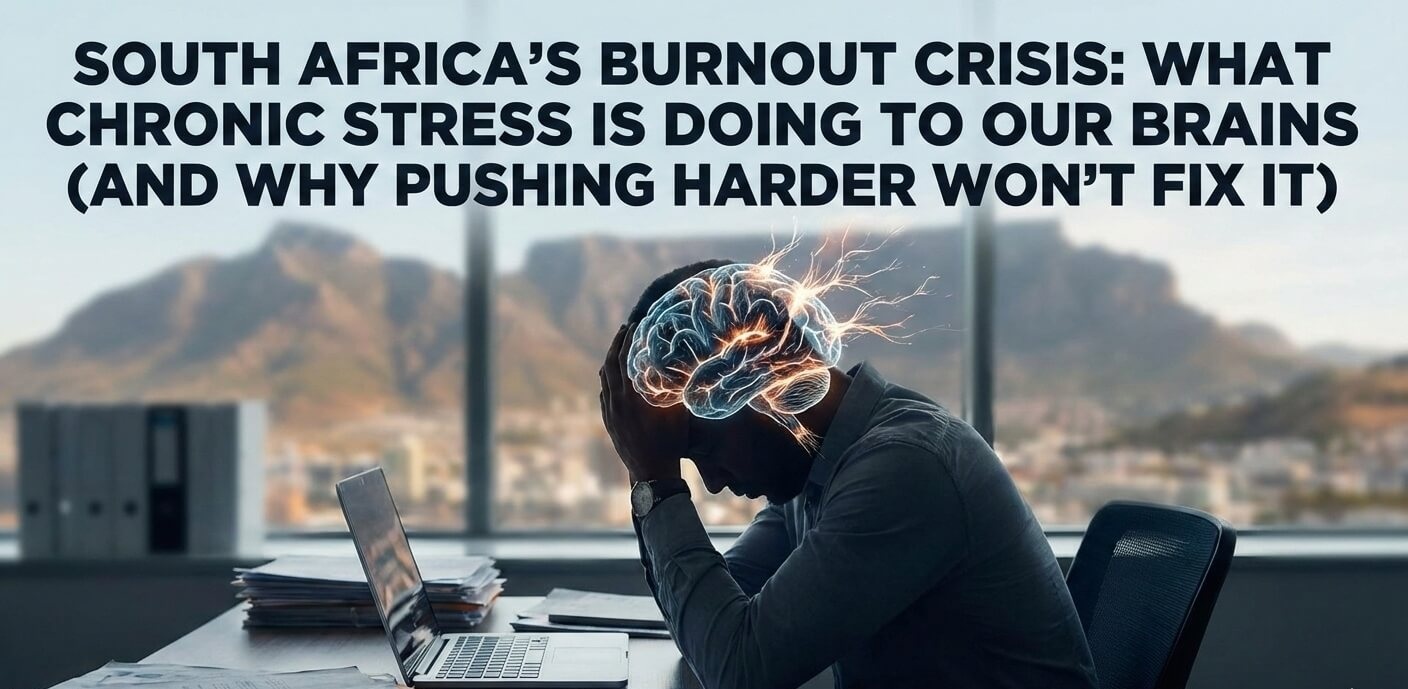


Why Does Work Exhaust Me So Completely?
Feeling drained, specifically because of work, ask yourself, Why Does Work Exhaust Me? It’s not just about workload. It’s about sustained cognitive and emotional demand without adequate recovery.
Many people finish their workday feeling hollowed out. Not just tired in the way physical labour makes you tired, but depleted in a way that touches everything. Motivation disappears. Small decisions feel impossible. Even activities you used to enjoy feel like too much effort.
This level of exhaustion isn’t normal fatigue. It’s what happens when your nervous system has been running in overdrive for too long.
When Work Becomes Burnout Fuel
Work stress becomes burnout fuel when:
- Expectations stay high, but control stays low – You’re accountable for outcomes you can’t fully influence
- Breaks don’t feel mentally restorative – Lunch breaks are spent worrying, planning, or catching up
- Emotional labour goes unrecognised – Managing difficult clients, navigating office politics, or suppressing frustration all drain energy invisibly
- Job insecurity or financial pressure sits in the background – Even when things are stable, the fear of instability keeps the nervous system alert
The brain interprets ongoing pressure without relief as a threat. Over time, this shifts the nervous system into survival mode, where energy is conserved and non-essential functions, like creativity, patience, and motivation, are dialled down.
Why Work Exhaustion Follows You Home
This is why work exhaustion often follows you home. The nervous system doesn’t switch states just because the workday ends. Your body may leave the office, but your brain remains activated.
You might find yourself:
- Snapping at loved ones over small things
- Scrolling mindlessly instead of doing things you enjoy
- Feeling guilty for being “too tired” to engage
- Lying awake, replaying conversations or worrying about tomorrow
This isn’t a personality flaw. It’s biology. When the nervous system stays in threat mode for extended periods, it loses the ability to toggle smoothly between “on” and “off.”
What Actually Helps
Addressing work-related burnout isn’t only about time off. A weekend away won’t reset a system that’s been overloaded for months. Instead, recovery requires reducing mental load, increasing perceived control where possible, and creating real recovery windows where the brain can downshift.
That might look like setting clearer boundaries, delegating where you can, or simply acknowledging that what you’re carrying is objectively heavy, not evidence that you’re weak.