
Rejection Sensitive Dysphoria (RSD): Why It Hurts So Much and 3 Brain-Based Ways to Cope
Have you ever had a minor criticism feel like a physical blow? Or felt a wave of intense emotional pain when you perceived that someone was disappointed in you, even if they didn’t say it outright? If so, you’re not alone, and you’re not “too sensitive.” You might be experiencing Rejection Sensitive Dysphoria (RSD).
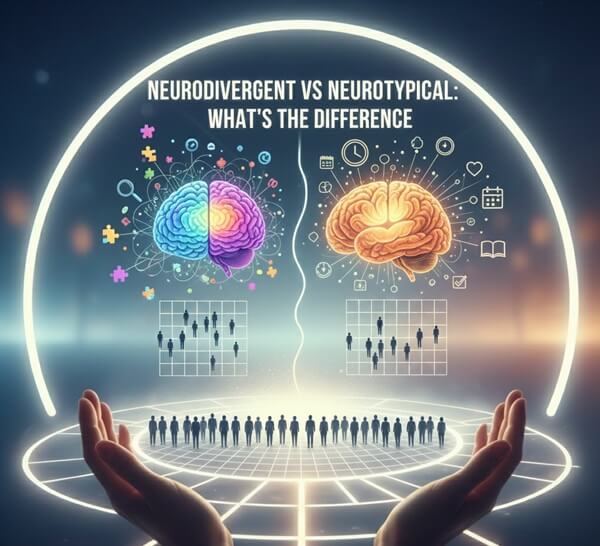
RSD (Rejection Sensitive Dysphoria) is a common, yet often misunderstood, experience for many neurodivergent individuals. According to ADDitude Magazine, rejection-sensitive dysphoria particularly affects those with ADHD. It’s an extreme emotional sensitivity and pain triggered by the perception of being rejected, teased, or criticized. It’s not a formal diagnosis, but it’s a very real phenomenon that can feel overwhelming. The key to managing it lies in understanding what’s happening in your brain and developing strategies that work with your neurotype, not against it.
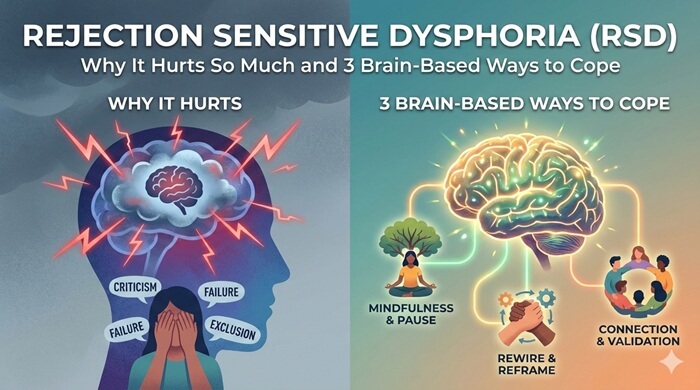
Why Does It Hurt So Much? The Neuroscience of RSD
When you experience RSD, your brain’s emotional response system goes into overdrive. Think of it as your internal alarm system being set to maximum sensitivity. Here’s a simplified look at what’s happening:
- Emotional Overload: Your nervous system perceives rejection as a genuine threat to your survival, similar to how our ancestors would have felt being cast out from their groups. This triggers an intense “fight, flight, or freeze” response.
- Flooding the System: Your brain is flooded with emotion so quickly that your prefrontal cortex, the part responsible for rational thought and emotional regulation, gets momentarily knocked offline. This is why it’s almost impossible to “think your way out of it” in the moment. The emotional brain has hijacked the thinking brain.
Understanding this is the first step. It’s not a character flaw; it’s a neurological response. Now, let’s look at three brain-based ways to start managing that response.
3 Brain-Based Ways to Cope with RSD
Conventional advice like “don’t take it personally” is useless here. We need tools that speak directly to the nervous system.
1. Name It to Tame It: Activate Your Thinking Brain
In the heat of a (Rejection Sensitive Dysphoria) RSD episode, your emotional brain is in control. The fastest way to bring your thinking brain back online is to label the experience.
- How to do it: The moment you feel that familiar wave of emotional pain, pause and say to yourself, “This is RSD. My brain is having an intense reaction to perceived rejection.”
- Why it works: The simple act of naming the emotion engages your prefrontal cortex. This labeling creates a tiny bit of space between you and the overwhelming feeling, reducing its intensity and giving you a foothold to regain control. It shifts you from being in the emotion to observing the emotion.
2. The Physiological Sigh: A 5-Second Nervous System Reset
When your body is in a state of alarm, you need a physical tool to signal to your brain that you are safe. The “physiological sigh” is one of the fastest ways to do this.
- How to do it: Take two sharp, quick inhales through your nose (the first one longer, the second a short top-up to fully inflate your lungs). Then, follow with a long, slow, extended exhale through your mouth. Repeat 2-3 times.
- Why it works: This specific breathing pattern offloads the most carbon dioxide from your body and sends a direct message to your vagus nerve, which is the main brake on your body’s stress response. It manually calms your system down, even when your emotions are screaming “danger!”
3. Create an “Evidence Log”: Separate Feelings from Facts
RSD (Rejection Sensitive Dysphoria) thrives on perception and assumption. Your brain fills in the blanks with worst-case scenarios. To counter this, you need to deliberately focus on objective facts.
- How to do it: Keep a simple log on your phone or in a notebook. After an RSD episode has calmed, write down what actually happened versus what you felt happened. For example:
- Feeling: “My boss hates my idea and thinks I’m incompetent.”
- Fact: “My boss said, ‘Let’s explore some other options for this part of the project.'”
- Why it works: Over time, this practice trains your brain to question its initial, catastrophic interpretations. It strengthens the neural pathways associated with rational assessment, making you less likely to be swept away by the initial emotional flood in the future.
Learning to manage Rejection Sensitive Dysphoria is a journey, not a quick fix. These strategies are powerful first steps in learning to work with your brain’s unique wiring. By practicing them, you can begin to reduce the intensity of these episodes and reclaim your emotional well-being.
If you found this helpful and are ready to build a complete toolkit of science-backed strategies for emotional regulation, confidence, and focus, this is exactly what we explore in our courses.
Ready to dive deeper? Explore the practical, neuro-based tools in our course collection.