
Understanding Dyslexia Neuroscience, Assessment and Evidence-Based Support
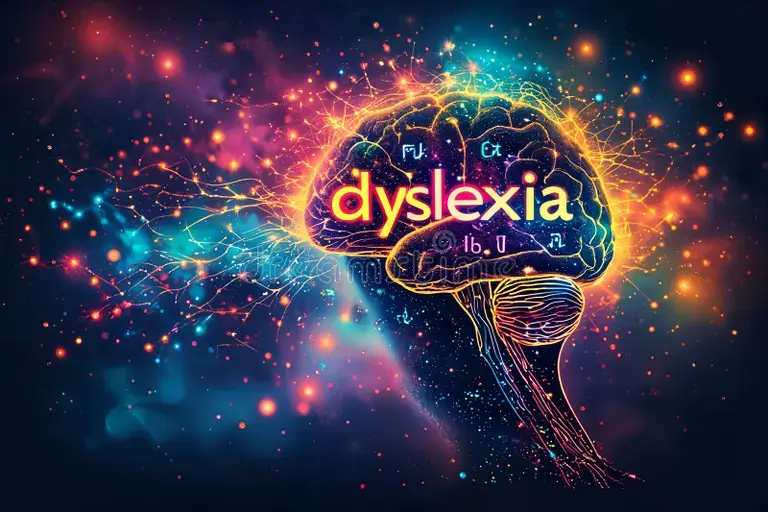
About Course

Welcome to Understanding Dyslexia!

This intermediate-level course takes you on a rich, science-backed journey into one of the most common and frequently misunderstood learning differences in the world. Whether you are a teacher, parent, healthcare professional, psychologist, coach, or an individual with dyslexia yourself, this course offers a warm, engaging, and deeply informative exploration of what dyslexia really is and what it is not.

We will move beyond outdated myths and simplistic definitions to explore the neurological architecture that underpins reading, the genetic roots of dyslexia, and the cutting-edge neuroimaging research that has transformed our understanding of the dyslexic brain. You will gain practical knowledge of evidence-based assessment approaches, intervention strategies, and the emotional landscape that individuals with dyslexia navigate every day.

Throughout this course, you will find real-world examples, case studies, reflective activities, and quizzes to help you consolidate and apply what you are learning. Our approach is grounded in academic rigour while remaining accessible and engaging, because understanding dyslexia should feel empowering, not overwhelming.

By the end of this course, you will be equipped with a solid, research-informed foundation that allows you to support, advocate for, and understand individuals with dyslexia in a meaningful, compassionate, and effective way.

We’d love your feedback 

If this course supported your growth or sparked new insights, please take a moment to leave us a review on Google.

Your words help others find us, and help us keep creating meaningful, stigma-free learning experiences.

Leave a review here

Show More

What Will You Learn?

  • • Understand the neurological and genetic basis of dyslexia using current research
  • • Describe how the typical reading brain develops and how dyslexia alters these pathways
  • • Distinguish dyslexia from other learning differences and comorbid conditions
  • • Explain the key theoretical models of dyslexia including the phonological deficit hypothesis
  • • Identify early warning signs and red flags at different developmental stages
  • • Understand the evidence-based principles of dyslexia assessment and screening
  • • Explore structured literacy approaches and evidence-based intervention strategies
  • • Recognise the emotional and psychological impact of dyslexia on individuals and families
  • • Apply knowledge of dyslexia to create inclusive and supportive environments
  • • Understand legal frameworks, rights, and accommodations related to dyslexia

Course Content

MODULE 1: Defining Dyslexia: History, Myths, and Modern Understanding
Module Overview Lessons: 3 | Estimated Time: 2.5 to 3 hours This module traces the fascinating and sometimes surprising history of dyslexia, from its earliest clinical descriptions to the sophisticated neuroscientific understanding we hold today. We will dismantle persistent myths, clarify definitions, and establish a shared conceptual foundation for the entire course. Learning Objectives - Module 1 • Trace the historical development of the concept of dyslexia • Distinguish between common myths and evidence-based understandings of dyslexia • Articulate the current consensus definition of dyslexia • Understand dyslexia as a neurobiological condition rather than a problem of effort or intelligence • Identify the spectral nature of dyslexia and its variability across individuals

  • Lesson 1.1: A Brief History of Dyslexia – From Word Blindness to Neuroscience
  • Lesson 1.2: What Dyslexia Is and What It Is Not – Unpacking the Myths
  • Lesson 1.3: Defining Dyslexia in the Modern Era
  • Key Takeaways – Module 1
  • Questions 1
  • Activity 1.1: Myth-Busting in Your Context
  • Activity 1.2: Historical Perspectives Journal Entry

MODULE 2: The Reading Brain: Neurological Foundations
Module Overview Lessons: 3 | Estimated Time: 3 to 3.5 hours This module takes you inside the brain to understand how typical reading develops, which neural networks are involved, and how dyslexia disrupts these processes. We will explore the major theoretical models of dyslexia and the compelling neuroimaging research that underpins our current understanding. Learning Objectives - Module 2 • Identify the key brain regions involved in reading and language processing • Describe the three neural pathways implicated in reading development • Explain the phonological deficit hypothesis and its evidence base • Understand the double deficit hypothesis and its clinical implications • Interpret basic neuroimaging findings related to dyslexia • Distinguish between typical reading brain activation and dyslexic patterns

MODULE 3: Genetics, Heritability, and the Biological Basis of Dyslexia
Module Overview Lessons: 3 | Estimated Time: 2.5 to 3 hours This module explores the genetic architecture of dyslexia. We examine the heritability evidence from family and twin studies, the specific genes that have been implicated, and what genetic research tells us about the neurological pathways involved in reading. We also explore important nuances around gene-environment interactions. Learning Objectives - Module 3 • Understand what heritability means and how it is estimated • Interpret the findings of twin and family studies in dyslexia • Identify key genes associated with dyslexia risk and their neurological functions • Explain gene-environment interaction in the context of dyslexia • Understand the implications of genetic findings for early identification

MODULE 4: Identifying Dyslexia: Signs, Red Flags, and Green Lights
Module Overview Lessons: 3 | Estimated Time: 3 to 3.5 hours This module is your practical guide to recognising dyslexia at different developmental stages, from early childhood through adulthood. We explore the Red Flags and Green Lights framework, examine age-specific indicators, and help you understand the difference between typical developmental variation and genuine dyslexic profiles. We also look at the unique presentations of dyslexia in different populations, including girls and twice-exceptional learners. Learning Objectives - Module 4 • Identify early warning signs and developmental red flags for dyslexia from preschool through adulthood • Apply the Red Flags and Green Lights framework for dyslexia identification • Distinguish between typical developmental reading variation and dyslexic profiles • Recognise the unique presentations of dyslexia in girls and gifted learners • Understand the role of compensatory strategies in masking dyslexia • Identify green lights: strengths and abilities commonly associated with dyslexia

MODULE 5: Assessment and Diagnosis: A Practical and Academic Guide
Module Overview Lessons: 3 | Estimated Time: 3 to 3.5 hours This module takes you through the assessment process for dyslexia, from initial screening to comprehensive psychoeducational evaluation. We examine the key assessment tools, the interpretation of results, the role of discrepancy and response-to-instruction models, and the legal and ethical dimensions of assessment and diagnosis. Learning Objectives - Module 5 • Understand the difference between screening, assessment, and diagnosis in the context of dyslexia • Identify the key domains assessed in a comprehensive dyslexia evaluation • Explain the discrepancy model and the response-to-instruction (RTI) model of identification • Understand how assessment results are interpreted and communicated • Recognise the legal frameworks and rights related to dyslexia assessment • Understand the role of different professionals in the assessment process

MODULE 6: Intervention Strategies: What the Evidence Tells Us
Module Overview Lessons: 3 | Estimated Time: 3 to 3.5 hours This module is where science meets practice. We explore the intervention landscape for dyslexia with a critical eye on the evidence, examining what works, what does not, and why. We cover structured literacy approaches, technology-based supports, the role of accommodation versus remediation, and how to evaluate intervention claims critically. Learning Objectives - Module 6 • Explain the principles of structured literacy and why it is the evidence-based approach for dyslexia • Identify specific evidence-based programs and methods used in dyslexia intervention • Distinguish between remediation and accommodation in supporting individuals with dyslexia • Evaluate claims about dyslexia interventions critically, including commercially marketed programs • Understand the role of technology in supporting individuals with dyslexia • Apply knowledge of intervention principles to practical planning scenarios

MODULE 7: Emotional Impact, Advocacy, and Building Inclusive Environments
Module Overview Lessons: 3 | Estimated Time: 3 to 3.5 hours Our final module brings together the human dimensions of dyslexia. We explore the profound emotional and psychological impact of dyslexia, the importance of self-understanding and self-advocacy, and how to build genuinely inclusive environments in schools and workplaces. We celebrate the resilience, creativity, and potential of individuals with dyslexia and leave you with a vision for what truly inclusive practice looks like. Learning Objectives - Module 7 • Describe the psychological and emotional consequences of dyslexia across the lifespan • Understand the relationship between dyslexia and mental health, including anxiety and depression • Explain the concept of dyslexia identity and the role of self-understanding • Apply principles of universal design for learning (UDL) to create inclusive environments • Identify the key elements of effective advocacy for individuals with dyslexia • Describe workplace accommodations and legal protections relevant to dyslexia

Earn a certificate

Add this certificate to your resume to demonstrate your skills & increase your chances of getting noticed.
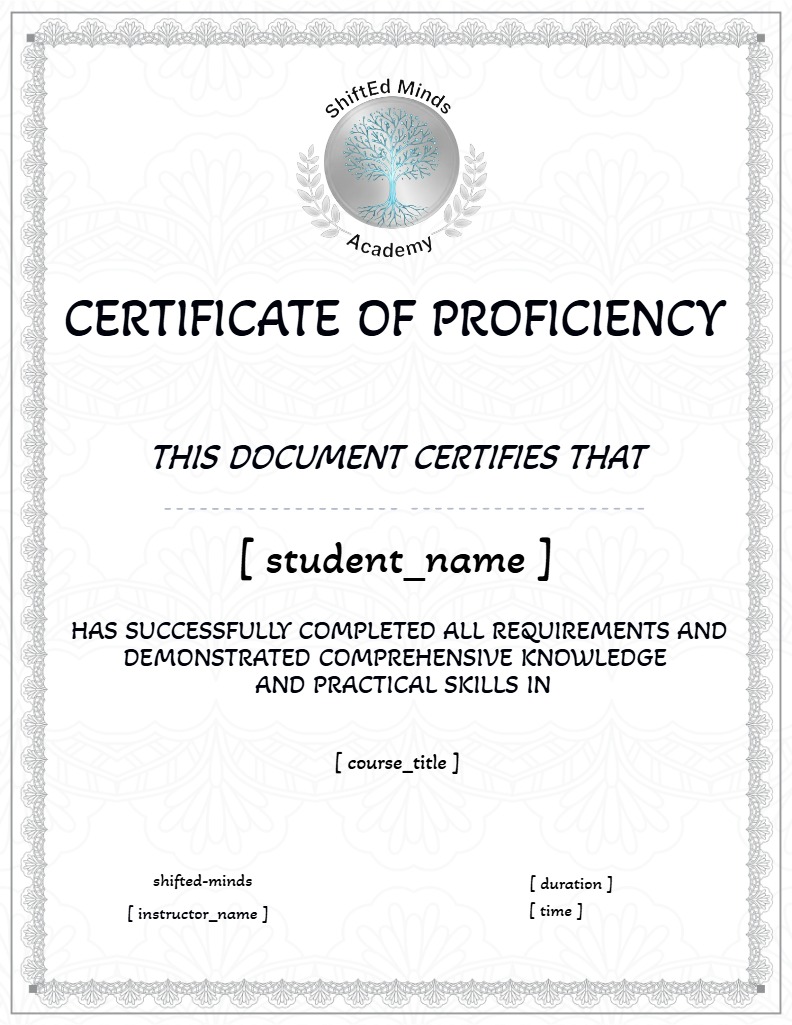
selected template

Student Ratings & Reviews

No Review Yet
No Review Yet
Scroll to Top