
Parenting a Child with ADHD
About Course
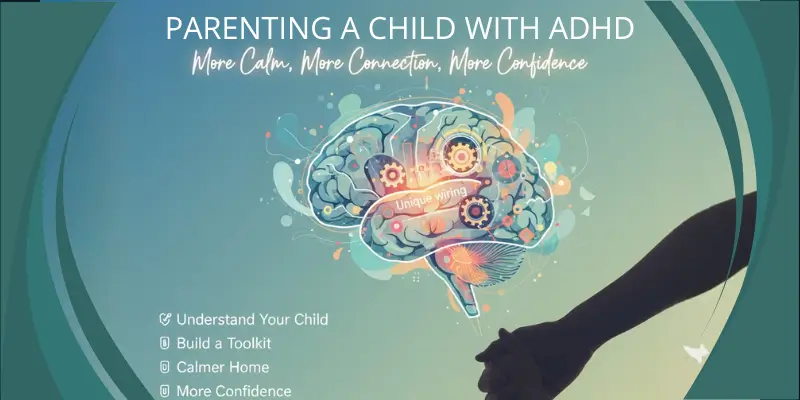
Parenting a child with ADHD brings moments of joy, intensity, challenge, curiosity, and deep love. Yet many parents feel overwhelmed, misunderstood, or exhausted by the day-to-day demands placed on them. This course offers a supportive, research-informed, and practical framework that helps parents understand their child on a deeper level, respond with confidence, and create a calmer, more connected home.
This program explores ADHD through a developmental, neurodiversity-affirming lens. It aims to empower parents to meet their child’s emotional, sensory, behavioural, and academic needs using gentle, effective strategies that respect the child’s unique wiring. Throughout the course, parents build a toolkit they can use immediately, with step-by-step guidance for routines, emotional regulation, behaviour, communication, and long-term growth.
The goal is simple: more calm, more connection, and more confidence in daily parenting.
What Will You Learn?
- By the end of this program, parents will be able to:
- Understand ADHD as a neurological difference rather than misbehaviour
- Identify their child’s emotional, sensory, behavioural, and executive functioning needs
- Reduce household stress by implementing predictable, ADHD-friendly routines
- Support emotional regulation during meltdowns, shutdowns, transitions, and overwhelm
- Communicate effectively with their child using language that calms rather than escalates
- Use compassionate structure instead of punishment-based discipline
- Create step-by-step supports for chores, schoolwork, mornings, and bedtime
- Build a sensory-aware home that reduces overstimulation and prevents behavioural spirals
- Work collaboratively with teachers, schools, and therapists
- Strengthen their child’s self-esteem, independence, and resilience
- Reduce parental burnout through realistic self-care strategies
- Improve family dynamics, sibling relationships, and overall home harmony
- Parents will leave the course with practical tools, scripts, visuals, routines, templates, and confidence to support their child every day.
Course Content
Parenting a Child with ADHD
-
Introduction
Module 1: Understanding the ADHD Child
-
Introduction
-
1: What ADHD Really Is
-
2: How the ADHD Brain Works
-
3: Core ADHD Challenges and Hidden Strengths
-
4: Common Myths and Misunderstandings About ADHD
-
5: ADHD Subtypes and Traits in Real Life
-
6: The Emotional World of an ADHD Child
-
Summary
-
Module 1 Quiz
Module 2: Emotional Regulation and Meltdowns
-
Introductuon
-
1: Why Emotional Regulation Is Hard for ADHD Children
-
2: Understanding Meltdowns vs Tantrums
-
3: The Neurobiology of Emotional Overload
-
4: Identifying Your Child’s Triggers
-
5: Co-Regulation Techniques for Parents
-
6: Teaching Emotional Skills in Daily Life
-
7: Building a Low-Conflict Home Environment
-
Summary
-
Module 2 Quiz
Module 3: Executive Functioning for Kids
-
Introduction
-
1: What Is Executive Functioning?
-
2: How ADHD Impacts Executive Skills
-
3: Task Initiation and the ADHD Brain
-
4: Working Memory and Forgetfulness
-
5: Planning, Organisation, and Visual Supports
-
6: Time Blindness and Routines
-
7: Supporting Follow-Through and Completion
-
8: Strength-Based Approaches to Skill Building
-
Summary
-
Module 3 Quiz
Module 4: ADHD-Friendly Routines and Daily Structure
-
Introduction
-
1: The ADHD Brain and Daily Rhythm
-
2: Building ADHD-Friendly Routines
-
3: Reward Systems
-
4: Morning Routine Guide
-
5: After-School Routine Guide
-
6: Evening and Bedtime Structure
-
7: Transition Support Strategies
-
8: Common Routine Breakers
-
9: Repairing a Broken Routine
-
Module 4 Quiz
Module 5: Behaviour vs Needs
-
Introduction
-
1: The Behaviour-as-Communication Lens
-
2: Identifying Common ADHD Needs Hidden Beneath Behaviours
-
3: The Needs First Response Framework
-
4: Responding with Co-Regulation and Connection
-
5: Supporting Long-Term Skill Building
-
Summary
-
Module 5 Quiz
Module 6: Sensory Needs and Regulation
-
Introduction
-
1: Understanding the Eight Sensory Systems
-
2: Sensory Seeking vs Sensory Avoiding
-
3: Sensory Triggers and Overload
-
4: Sensory Regulation Strategies
-
5: Creating a Sensory-Friendly Home Environment
-
6: Building Daily Sensory Routines
-
Summary
-
Module 6 Quiz
Module 7: School Support and Educational Strategies
-
Introduction
-
1: Common School Challenges for ADHD Children
-
2: Building an Effective Relationship With Teachers
-
3: Classroom Accommodations and Support Tools
-
4: Academic Strategies for Attention, Memory, and Processing
-
5: Social Skills, Emotional Support, and Self-Advocacy
-
6: Home–School Routines That Improve Success
-
Summary
-
Module 7 Quiz
Module 8: Parenting Yourself While Parenting ADHD
-
Introduction
-
1: Understanding the Dual Load of Neurodivergent Parenting
-
2: The Parent Nervous System: Why Your Regulation Matters
-
3: Reclaiming Your Identity Beyond Parenting
-
4: Adult ADHD and Late Realisations
-
5: The Emotional Landscape: Guilt, Shame, and Self Compassion
-
6: The Parent’s Sensory Profile
-
7: Creating Systems That Support the Whole Family
-
8: Repair and Reconnection After Hard Moments
-
9: Building a Support Network
-
10: Preventing Parental Burnout
-
Summary
-
Module 8 Quiz
Module 9: Family Dynamics and Sibling Relationships
-
Introduction
-
1: Understanding How ADHD Affects Family Systems
-
2: Common Sibling Reactions and Emotional Needs
-
3: Preventing Resentment and Promoting Fairness
-
4: Sibling Roles: The Protector, The Helper, and The Lost Child
-
5: Strategies for Sibling Communication
-
6: Bond-Building Activities
-
7: Managing Sibling Conflict Without Shame
-
8: Supporting Each Child’s Individual Identity
-
9. Strengthening the Family Unit as a Whole
-
Summary
-
Module 9 Quiz
Module 10: Long-Term Growth and Advocacy
-
Introduction
-
1: Understanding Long-Term ADHD Development
-
2: What Progress Looks Like Across Childhood and Adolescence
-
3: Building Life Skills for Independence
-
4: Advocacy in School, Community, and Healthcare Settings
-
5: Teaching Your Child Self-Advocacy
-
6: Collaborating with Professionals
-
7: Navigating Transitions: School to High School to Adulthood
-
8. Protecting Your Child’s Confidence and Identity
-
9: Maintaining Parent Resilience in the Long Term
-
Summary
-
Module 10 Quiz
Final Course Quiz and Next Steps
-
Congratulation – You Did It!!
-
Final Course Quiz
-
We’d love your feedback
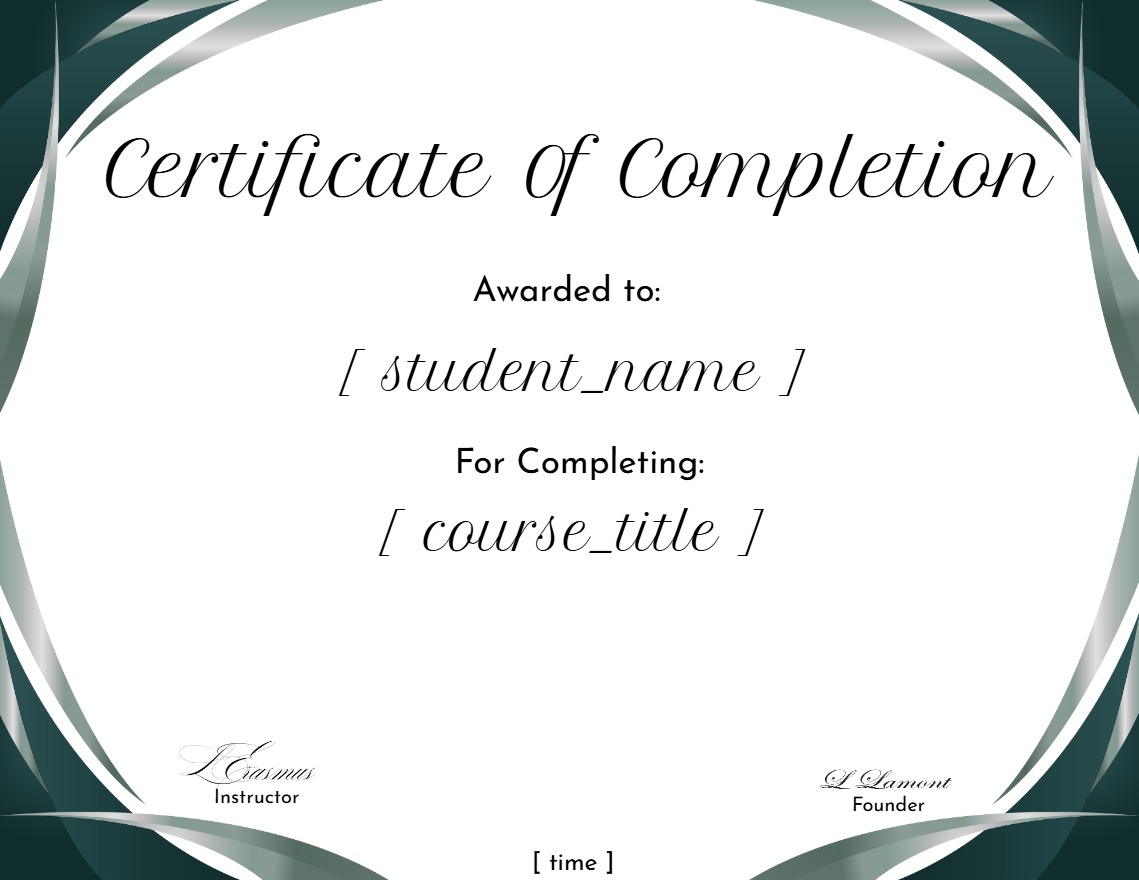
Earn a certificate
Add this certificate to your resume to demonstrate your skills & increase your chances of getting noticed.
Student Ratings & Reviews